
There’s a persistent myth in the industry right now. Build flex space, label it “premium,” and the market will do the rest.
But tenants are not buying into the concept of flex space. They’re buying out of frustration with everything that came before it. That’s the difference.
The most successful flex developments are not winning because they’re flexible. They’re winning because they eliminate problems traditional spaces never solved.
Flex Isn’t a Product. It’s a Fix.
Flex space didn’t emerge because operators wanted to get creative with square footage. It emerged because tenants were tired of making things work.
They were tired of:
- Leasing an office across town and storing inventory somewhere else
- Running a business out of a unit that wasn’t built for real operations
- Constantly adapting their workflow to fit the space
Flex space, at its best, solves all of that in one move. At its worst, it changes the label without solving the problem. That’s where the gap starts to show.
Tenants Don’t Pay for Flexibility. They Pay to Remove Friction.
If you strip it down, tenants are not paying a premium to say they’re in “flex space.” They’re paying for what that space removes from their day.
Time is lost loading and unloading. Money spent on multiple leases. Operational inefficiencies that slow them down.
When flex space is done right, it collapses all of that into something simpler. One space. One workflow. No workarounds.
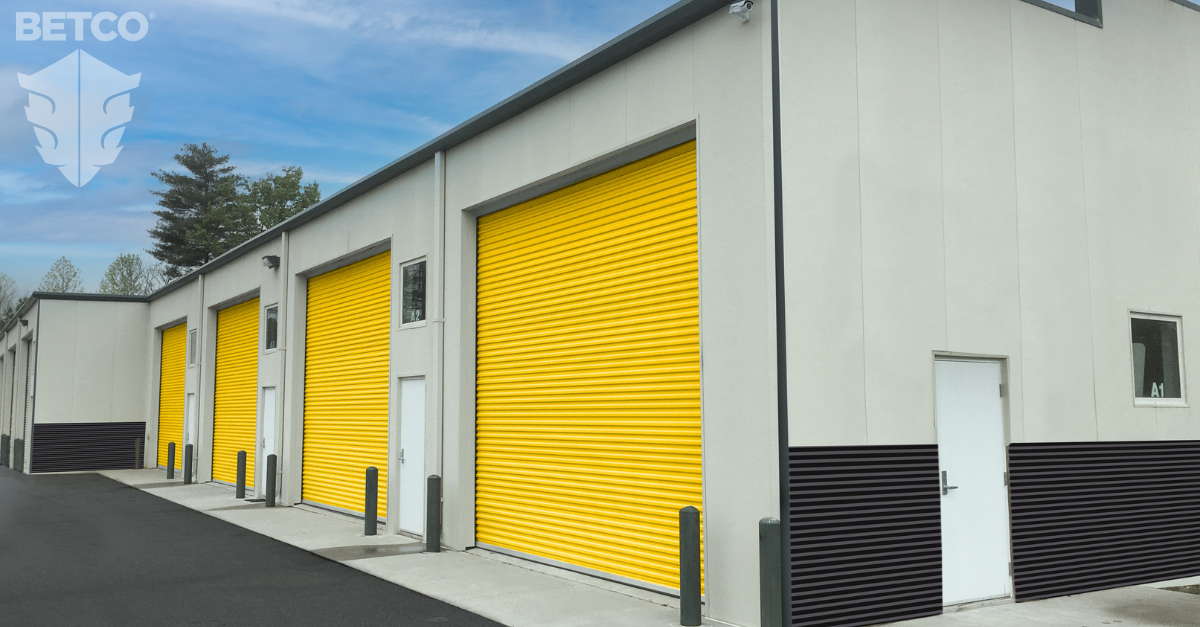
That’s why integrated setups matter so much. BETCO flex space is designed around that idea, combining workspace, storage, and access into a single environment so tenants can actually run a business without doing mental gymnastics. That’s what they’re paying for.
The Premium Only Exists If the Space Works
There’s a lot of talk about flex space commanding higher rents. And in some cases, that’s true. But the premium is conditional.
Early discussions around flex concepts point to higher pricing potential when the space delivers more utility, not just more square footage. The moment the space stops functioning like a real workspace, the premium disappears. Because tenants do the math quickly.
If the unit doesn’t:
- Support their workflow
- Reduce overhead
- Improve efficiency
Then it’s not flex space to them. It’s just expensive storage.
The Subtle Things That Actually Drive Value
Most developers focus on the visible upgrades. Bigger doors. Fresh finishes. Maybe improved curb appeal. Tenants notice something else. They notice how the space feels to operate in.
Does the layout make sense?
Can they move equipment without friction?
Is power where they need it, not as an afterthought?
These are the decisions that determine whether a tenant settles in or starts looking elsewhere six months later. Flex space is less about what you add and more about what you anticipate. And when that anticipation is missing, tenants feel it immediately.
Where Flex Goes Wrong
Here’s the part that doesn’t get talked about enough. A lot of flex space today is half-finished thinking. It checks a few boxes, but it stops short of becoming a true operational environment.
You see it in:
- Units that still require tenants to retrofit basic infrastructure
- Layouts that were clearly designed as storage first, workspace second
- Spaces that look versatile but don’t actually perform
And tenants react accordingly. They negotiate harder. They hesitate. They leave sooner.
Not because flex space doesn’t work.Because this version of it doesn’t.
The Shift That’s Coming
The market is already correcting. Tenants are getting more specific about what they need. They’re asking better questions. They’re comparing options more critically. Which means operators can’t rely on the flex label anymore. They have to deliver on the promise behind it. And the operators who do are seeing the real upside. Broader tenant pools. Longer leases. More predictable performance. Not because they followed a trend. Because they understood the job that needed to be done.
The BETCO Perspective
At BETCO, we’ve spent years building environments where space has to perform, not just exist. That same thinking applies to flex.
It’s not about checking feature boxes. It’s about designing a space that works the moment a tenant unlocks the door. One that supports real business activity without requiring constant adjustment.
That’s where value shows up. That’s where premiums hold. And that’s where flex space actually becomes what the market expects it to be.
The Bottom Line
Flex space isn’t being measured by how flexible it is. It’s being measured by how little tenants have to think about it. If the space disappears into their workflow, it works. If they have to keep working around it, it doesn’t. Tenants are not paying for possibilities. They’re paying for problems solved.
And that’s the reality check the market is quickly catching up to.
