
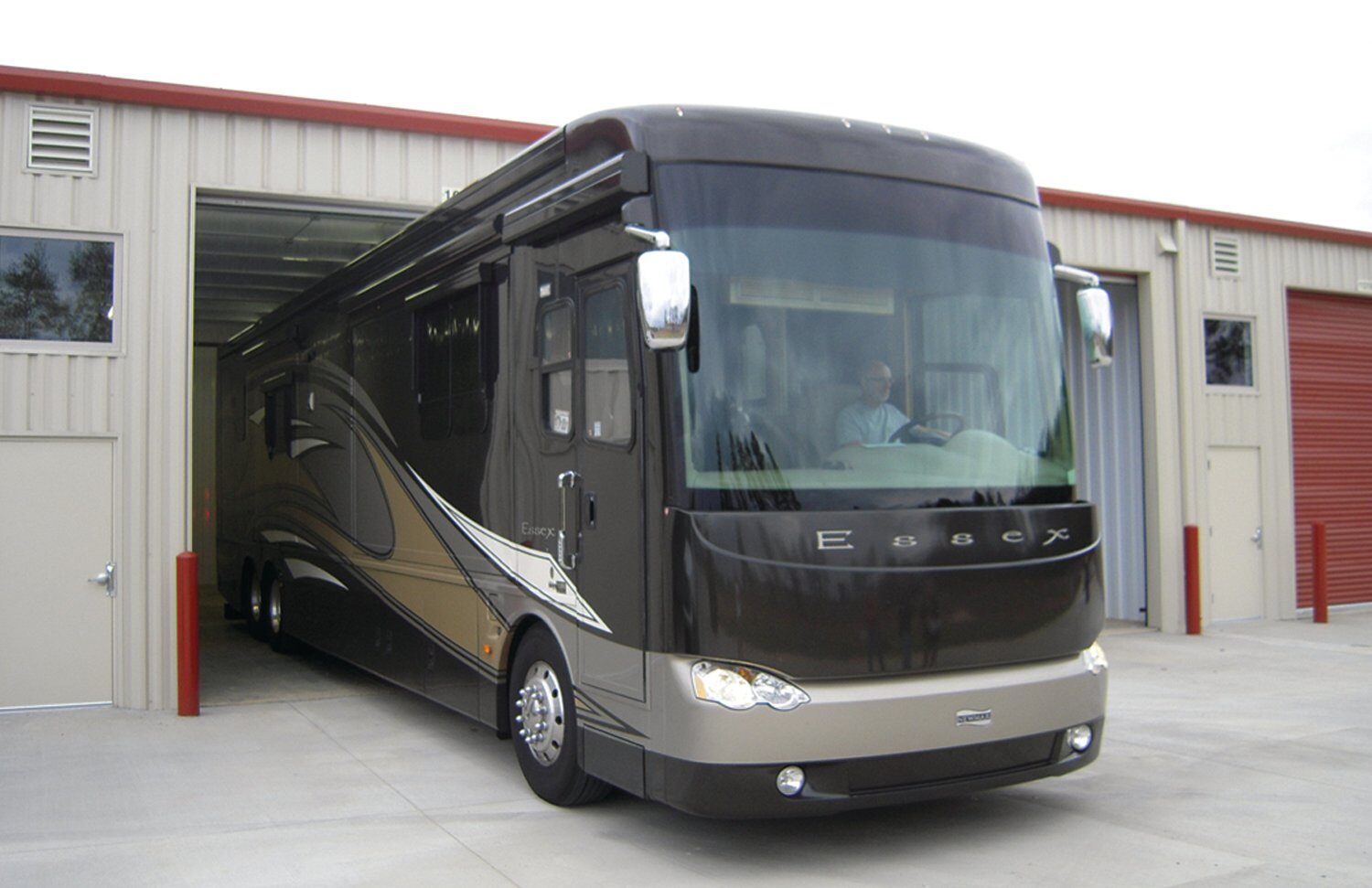
Boat and RV storage is no longer a niche add-on. It’s quickly becoming one of the most compelling development opportunities in self-storage.
Across the U.S., ownership of recreational vehicles and boats remains strong, but the real story for developers is what happens after the purchase. Most owners can’t store these assets at home, whether due to HOA restrictions, zoning limitations, or lack of space.
At the same time, purpose-built facilities haven’t kept pace with demand. The result is a clear gap in the market, and a growing expectation that new facilities will deliver more than just a place to park.
For developers, the opportunity is real. But capturing it requires building smarter from the start.
The Demand Is Strong. The Expectations Are Higher.
Boat and RV storage demand is being driven by long-term lifestyle shifts, not short-term trends.
Outdoor recreation has seen sustained participation, and recreational vehicles and boats are used seasonally, meaning they sit idle for much of the year and require secure storage. At the same time, space limitations and restrictions in residential areas continue pushing owners toward dedicated facilities.
What’s changed is the type of facility customers are willing to pay for.
Today’s tenants are storing high-value assets. They’re not looking for gravel lots and basic fencing. They expect:
- Protection from the elements
- Secure, controlled access
- Easy maneuverability for large vehicles
- A clean, well-maintained environment
That shift is pushing the industry toward a more durable, purpose-built product, and that’s where design and materials matter.
This Is No Longer “Overflow Storage”
For years, boat and RV storage was treated as a leftover land use. Whatever didn’t fit traditional self-storage became parking.
That model is quickly becoming outdated.
The market remains undersupplied, with relatively few dedicated facilities compared to the size of the ownership base, and projections show continued growth in both demand and investment.
As a result, developers are moving toward more intentional builds, including canopy structures, enclosed units, and hybrid layouts that maximize both revenue and usability.
These facilities don’t just add capacity. They define the customer experience.
What Developers Should Build Instead
If the goal is long-term occupancy and premium positioning, the next generation of facilities should be designed around three priorities: durability, flexibility, and user experience.
Build for durability first
Boat and RV storage is exposed to the elements by default. Even covered options take on significant wear from sun, wind, and weather.
That makes material selection critical.
BETCO’s steel building systems and canopy structures are designed to hold up in these environments, helping developers avoid the maintenance issues that come with lighter or temporary solutions. Instead of treating these structures as secondary, they become part of a long-term asset strategy.
Offer a mix of storage options
Customers want choice, and that directly impacts revenue potential.
Facilities that include uncovered, covered, and enclosed storage options can serve a wider range of customers and price points.
BETCO systems make it easier to scale that mix by supporting flexible layouts, whether the goal is simple canopy coverage or fully enclosed bays designed for higher-end users.
Design for access and flow
Oversized vehicles demand a thoughtful layout.
Wide drive aisles, easy entry points, and proximity to major roadways are essential for usability and customer satisfaction.
This is also where structure placement matters. Properly designed canopy and building systems help guide traffic flow instead of working against it, creating a more functional and safer site.
Elevate the experience
Facilities are increasingly incorporating features that go beyond storage, including wash stations, power access, and maintenance areas.
While these elements enhance the tenant experience, they also require infrastructure that can support them.
BETCO’s approach to engineered systems helps ensure those additions are supported by a structure that can handle long-term use, not just initial demand.
The Shift Toward Higher-Quality Facilities
The biggest change in boat and RV storage isn’t just demand, it’s the type of product entering the market.
This category is attracting more investment, more planning, and higher expectations than ever before.
Developers are moving toward Class A facilities that prioritize:
- Strong, long-lasting construction
- Clean, consistent aesthetic
- Better protection for stored assets
- A more professional overall footprint
BETCO plays a key role in that shift, helping developers move from basic parking solutions to fully realized storage environments that hold their value over time.
Where Developers Win
The developers who succeed in this segment won’t be the ones who simply add RV parking to an existing plan.
They’ll be the ones who recognize that this is a distinct product with its own customer expectations, design requirements, and revenue potential.
That means:
- Planning for larger footprints and better layouts
- Investing in durable materials and structural systems
- Building flexibility into the site from day one
And ultimately, delivering a facility that feels intentional, not improvised.
Final Takeaway
Boat and RV storage is still underserved, but it’s no longer underdeveloped.
Demand is strong. Competition is improving. And customers know what they want.
Developers who treat this as a serious asset class and build accordingly will stand out.
BETCO helps make that possible by delivering the durable, scalable building systems that modern facilities require, turning what used to be overflow space into high-performing, long-term storage assets.
To learn more, check out our Boat and RV eBook!
